

Parenting is a hard job.
And it doesn’t come with a handbook. But if it did, it might include chapters on these topics! In addition to your meetings with the therapist, please refer to these articles and books for ideas on how to support your child.
Please note that as an Amazon Affiliate I may receive a small commission for books purchased through my links.
Articles and Books by Category
Anxiety
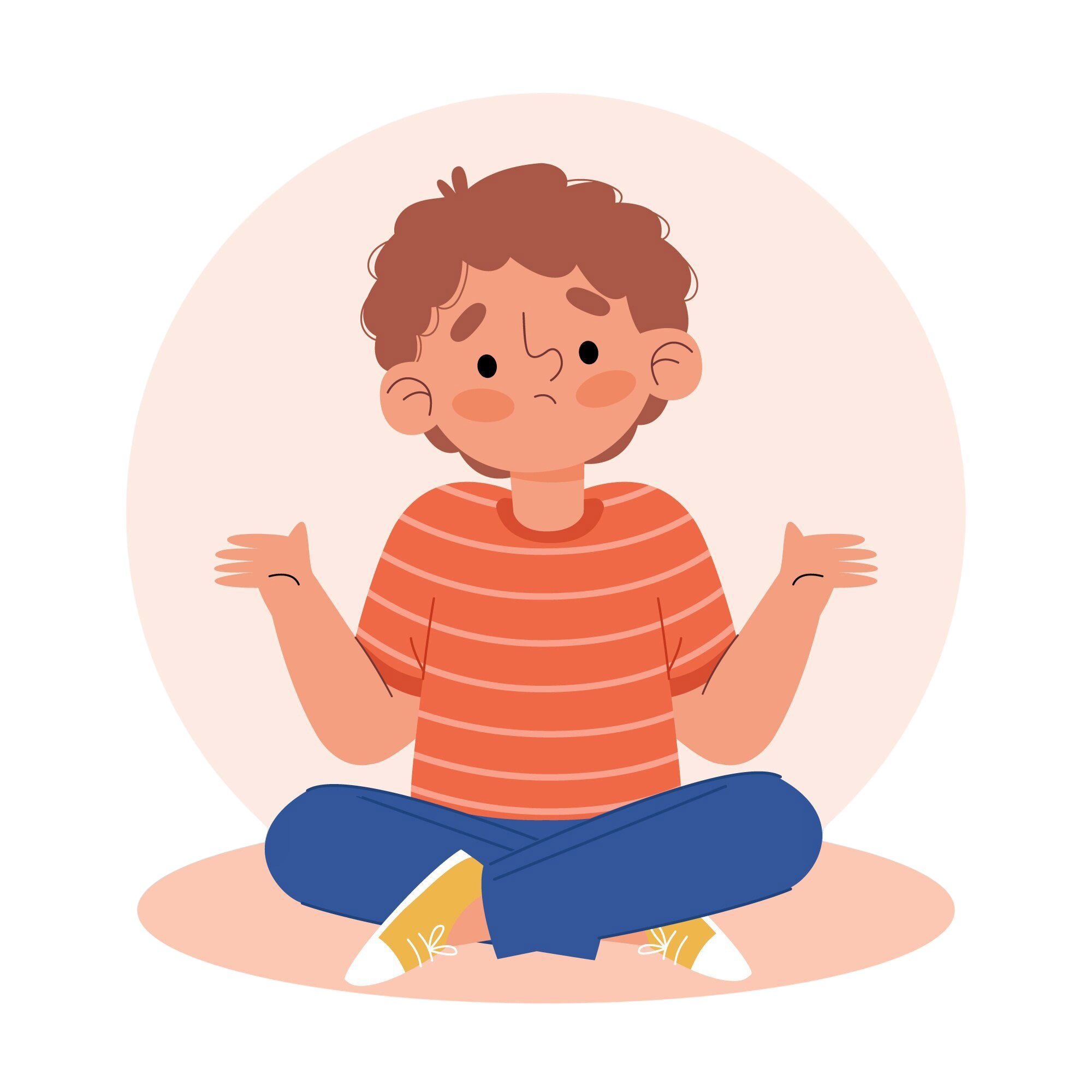
Anxiety is a normal feeling of worry or nervousness we all experience at some point in our lives. The good news is kids can learn to identify and manage anxiety, and these skills can help them become more resilient (better able to handle life’s ups and downs). Learn how to recognize signs of anxiety and what you can do to help your kids manage it…
Anxiety is on the rise among children and adolescents. Studies show that as many as one in eight children may experience significant anxiety. Knowledgeable observers offer a number of reasons. Perhaps most important, children’s lives have changed so that there is almost nonstop sedentary screen time at the expense of play and physical activity, experiences through which children traditionally decompress, work out their concerns, and form supportive relationships. And what’s on those screens are, often enough, new opportunities for young people’s worry…
Many children today aren't just anxious. They are being trained by their parents to overthink. The kid who double-checks everything is "conscientious." The one who worries over outcomes is "motivated." Similarly, the teen who can't relax about the future is "driven."
For example, the words, "What if my friends are just pretending they like me?" were recently uttered by a 5th-grade counseling client of mine. The mom said, "I keep telling him he has nothing to be worried about." Because our brains are wired to be on the lookout for danger, these goal-oriented kids, like this young man, are actually getting stuck in maddening threat-detection loops. Parents who blindly reassure without helping kids face the likely uncertainties of disappointments and setbacks are fueling these worry loops…
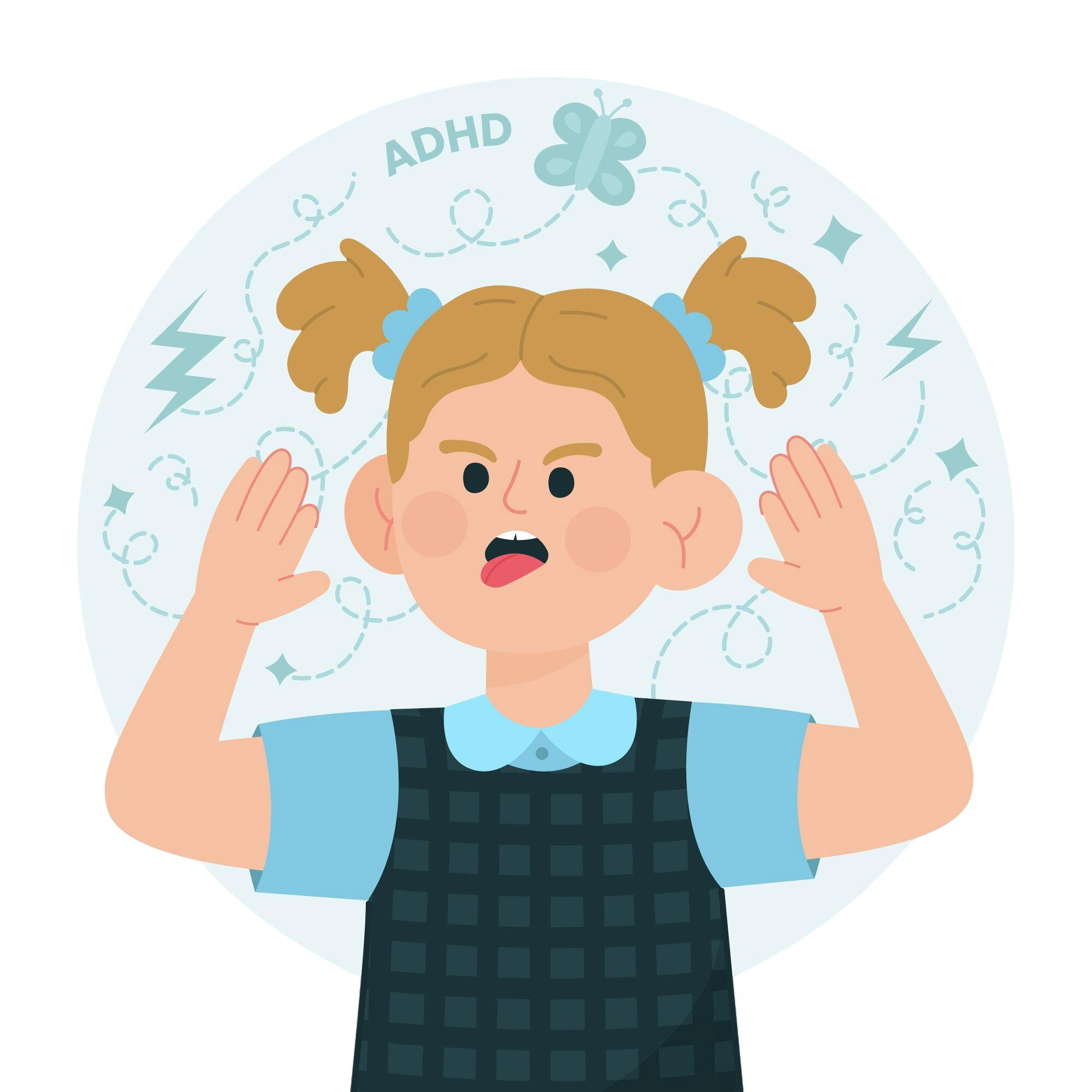
ADHD
Children with ADHD are often bright, spontaneous, and caring. But parenting them is not without its challenges. Behavioral problems—from forgetting to do chores to outright defiance—can be frustrating for parents to navigate, as can low self-esteem, difficulty making friends, and the emotional ups and downs that are characteristic of ADHD…
Many parents of children with ADHD eventually ask the same question: “Why won’t my child just do it, or listen?” They know their child is capable. Yet homework doesn’t start, backpacks remain unpacked, emotions escalate quickly, and simple routines become daily battles. From the outside, these struggles can look like a motivation problem. For many children with ADHD, the challenge isn’t motivation, it’s how their brain manages attention, memory, stress, and follow-through…
Taking Charge of ADHD, Russell A. Barkley, PhD (Book)
Prominent authority Russell A. Barkley compassionately guides you to:
Understand why kids with ADHD act the way they do.
Get an accurate diagnosis.
Work with school and health care professionals to find needed support.
Implement a proven eight-step behavior management plan.
Build your child's academic and social skills.
Restore harmony at home.
Autism

Discovering that your child has autism can change your life tremendously. Notwithstanding your deep love for your child, parents can experience feelings of grief, anger, fear, and stress. Parents may worry that their vision for the child’s future has disappeared, that their relationship with their spouse will be strained, that the family will face mounting financial pressures. It’s natural to feel overwhelmed…
Aggression
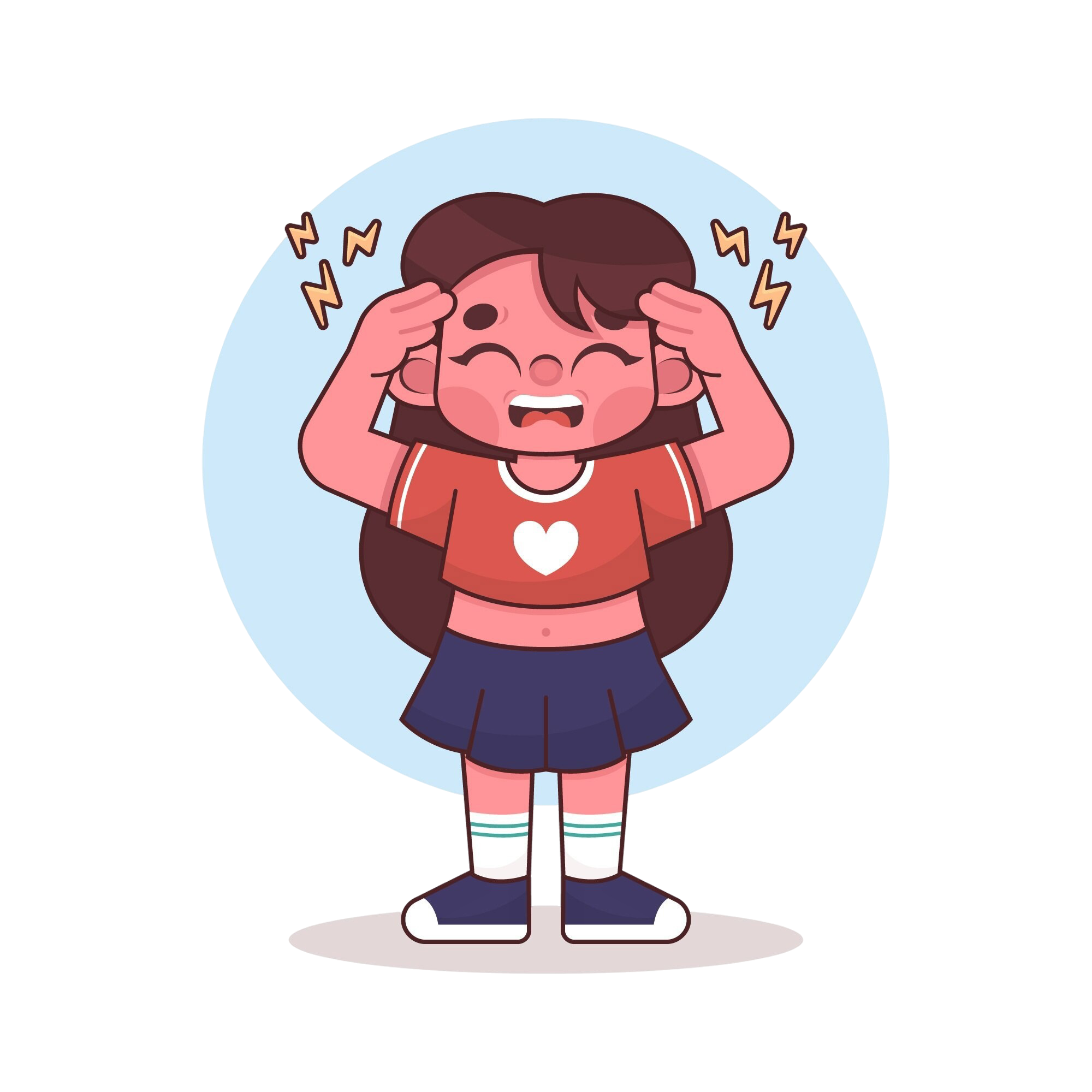
Everybody gets mad sometimes. Different people show anger in different ways—an angry child might yell, get physical, say hurtful things or all of the above—but it’s important to try to understand where they’re coming from.
Anger is a secondary emotion, which means there’s another (primary) emotion at the root of it. By digging deeper into what your child is really feeling when anger flares, you can give the comfort they need and teach lifelong coping skills….
During the preschool years, tantrums are a normal part of life. Kids throw dishes or grab each other’s toys because they don’t have the vocabulary or social skills to express what they’re feeling and needing.
These outbursts give parents an opportunity to teach children how to express and regulate their emotions. They can also be signs of stress. Psychological research shows children may act out if a family member is sick, for example, or if parents are getting a divorce opens in new window.
Anger and aggression are normal, but parents need to respond…
Behavioral Issues
Consider this parable. In a small town, Leo was known for his mischief—disrupting classes, pulling pranks, and ignoring authority. Concerned, his parents sought help from three psychologists. Dr. Stern concluded Leo lacked discipline, believing punishment would fix his defiance. Dr. Ponder assumed an underlying issue prevented Leo from behaving, focusing on deep analysis. Dr. Wise, however, engaged with Leo directly. She realized he hadn't been taught how to act. By patiently teaching empathy, respect, and communication, she helped Leo become a thoughtful and positive community member.
Leo's story highlights that understanding a child's behavior, guiding rather than judging, and teaching rather than punishing can foster change. Behavioral issues in childhood, a phase of rapid development, often baffle parents and educators. Such problems can typically be categorized as "They won't," "They can't," or "They don't," each requiring unique approaches…
School
Transitions
Back-to-school time can be overwhelming for many families. This is a period where we need to remain mentally flexible to help students transition.
The transition can test families’ coping skills in dealing with adjustments such as new teachers and new classrooms as well as managing safety protocols along with hectic school and work schedules. Often, it’s the fear of the unknown—new classmates, teachers, or the thought of having hard classes—that is most stressful for children around the beginning of school…
School breaks can be exciting — a chance to relax, sleep in, and have fun. But they also can present challenges for both young people and their caregivers. The changes in routine and structure during short or long stretches of time off can increase mental health symptoms in young people, particularly for those already at risk…
Learning Disabilities
Choosing a school can be a difficult decision for all families. Factors to consider include public or private, convenience, location, finances, and the theory or pedagogy of the school. It’s even more complicated when you are trying to place a child with a learning disorder. The particular type of learning issue, the child’s strengths and weaknesses, and environmental sensitivities must also be taken into consideration, along with the types of support the school offers. Additionally, these decisions are often made prior to fully understanding your child’s needs. At times, after receiving more information, it can be best to shift to an alternative school…
Learning challenges are identified in kids who struggle with skills like reading, math, staying organized or paying attention. But many students with learning and attention disorders also have social and communication problems.
When you’re socializing, you have to understand what’s been said, organize your thoughts, decide on a response, and find the right words to use. These steps can be difficult for children with learning problems…
Bullying
There are many warning signs that may indicate that someone is affected by bullying—either being bullied or bullying others. Recognizing the warning signs is an important first step in taking action against bullying. Not all children who are bullied or are bullying others ask for help.
It is important to talk with children who show signs of being bullied or bullying others. These warning signs can also point to other issues or problems, such as depression or substance abuse. Talking to the child can help identify the root of the problem…
Trying to have a conversation with your child about bullying is not always easy but necessary. We have compiled some guidance to help you and your family.
Talking to your child about bullying is important. When you are busy making the dinner or watching a storyline, you could bring up a bullying scenario and ask your child what they think
If you have a young child you may want to use a picture book or their favourite TV show to help illustrate your point. This will give them an insight into how others treat people and what to do if someone does cause them distress
Keeping up with what is going on in your child’s life can help you spot where a situation might arise or if there is an issue, your child might be dealing with without telling you…
AI & Technology

Many parents are losing the battle against technology. Screens have become a normal part of our everyday lives. It is common to see young children consumed with phones, iPads, and televisions. From birth, screens are introduced to entertain, pacify, and occupy children. In many social environments, parents often rely on these devices to distract and quiet their toddlers. However, according to the World Health Organization (WHO), infants and toddlers should avoid screen time entirely until after 2 years of age, and children under 5 should have no more than one hour per day…
While AI in education sounds great, there are some downsides too. Using more computer tools makes people worry about keeping student information safe. There's also concern that kids might lose important skills, like critical thinking and emotional intelligence. As schools use more AI systems, we need to ask not just what AI can do, but what it might accidentally take away from learning…
Family Life
For many parents telling kids about a divorce is one of the hardest parts of the entire divorce process. Children look to us for security, and a divorce inevitably shifts the family foundation a child has come to rely on. But it is also a very important conversation because it gives parents an opportunity to try to lay the groundwork for a healthy new start for the whole family…
Here’s a brief summary of the research about the impact of parental divorce on children. Remember that these are statistical outcomes and not necessarily predictions of how your children will fare when you divorce. Below, I will share some protective factors and steps you can take to reduce the harm of divorce to your children…
Diversity
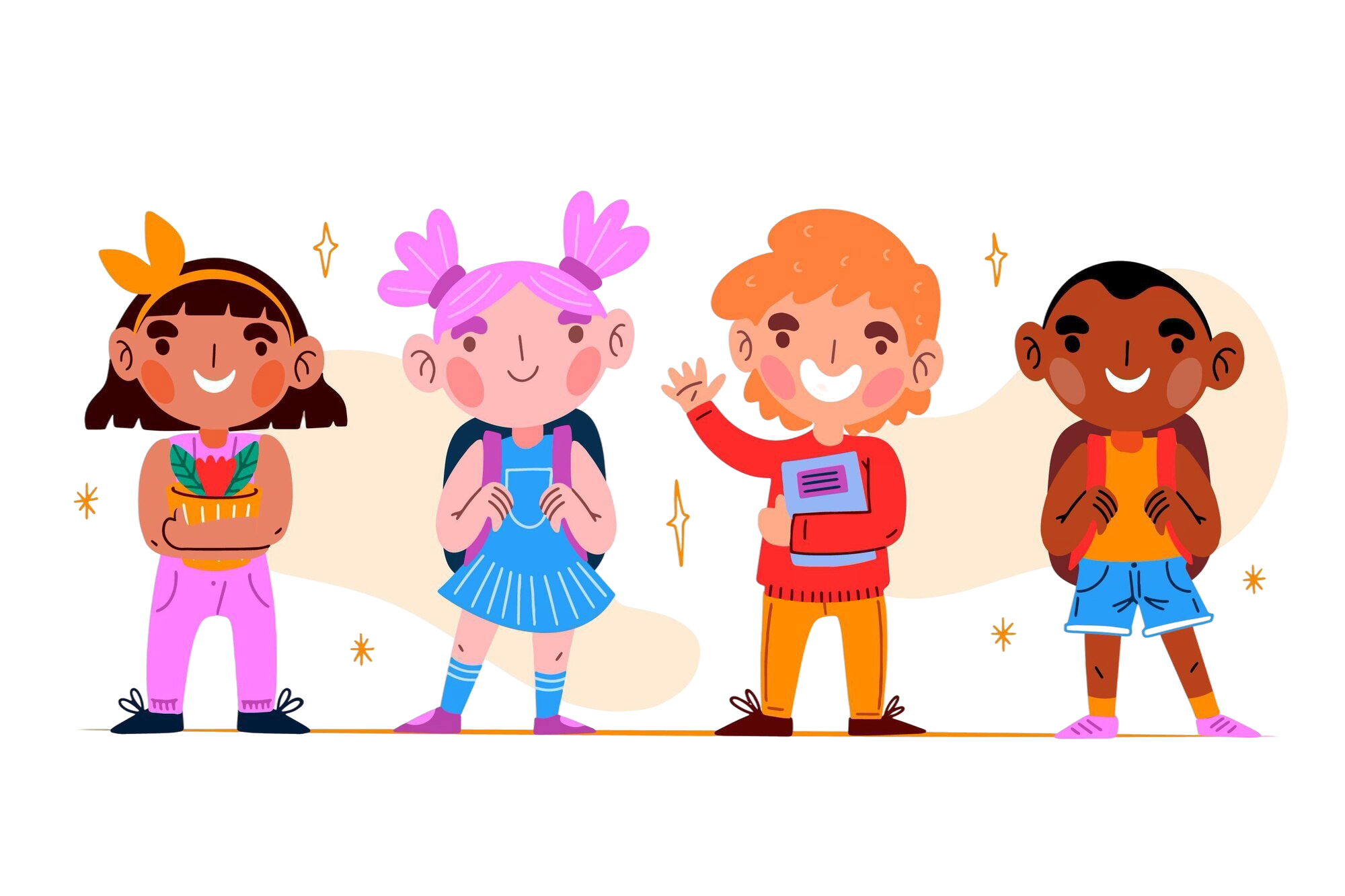
Inclusion is a fundamental aspect of human psychology and social development. It goes beyond simply being present in a group; it's about feeling valued, respected, and understood for who you are. When individuals experience inclusion, they develop a profound sense of belonging; this enhances their motivation and fulfillment.
I often stress that inclusion begins at home. If we can build a sense of belonging, safety, trust, and understanding in our families, we’ll have the building blocks to build inclusivity in our workplaces and communities…
Children may recognize racial differences as early as 3 years old. Helping children feel comfortable in “their own skin” is an important part of healthy identity development. Perhaps not surprisingly, multiracial children may encounter some identity development experiences that children with one racial background do not undergo. Parents and adults responsible for the emotional and psychological well-being of multiracial children may be facing issues they never came across themselves…
Adoption

Every adopted child is unique and has the potential to flourish in a loving home. However, because of the nature of adoption, there are several potential challenges that many adoptive parents will need to be prepared to confront. These include the aftereffects of trauma or neglect, feelings of abandonment, questions of identity, and social and emotional challenges related to race.
On the other hand, it’s important for parents to remember that not every problem, whether physical or mental, can be directly traced to a child’s adoption. Focusing on the whole of the child’s life and needs, rather than assuming adoption is behind every negative behavior, is the best way to address challenges and promote overall well-being…
Adoption can offer children stability and love, but it may also bring long-term psychological and social challenges. Adopted children often grapple with questions about identity, attachment, and belonging, especially if they’ve experienced early trauma or disrupted care giving. These challenges can affect emotional development, behavior, and relationships throughout life. By understanding the potential long-term impacts, caregivers, educators, and mental health professionals can offer the support adopted children need to thrive emotionally and socially…
Parenting
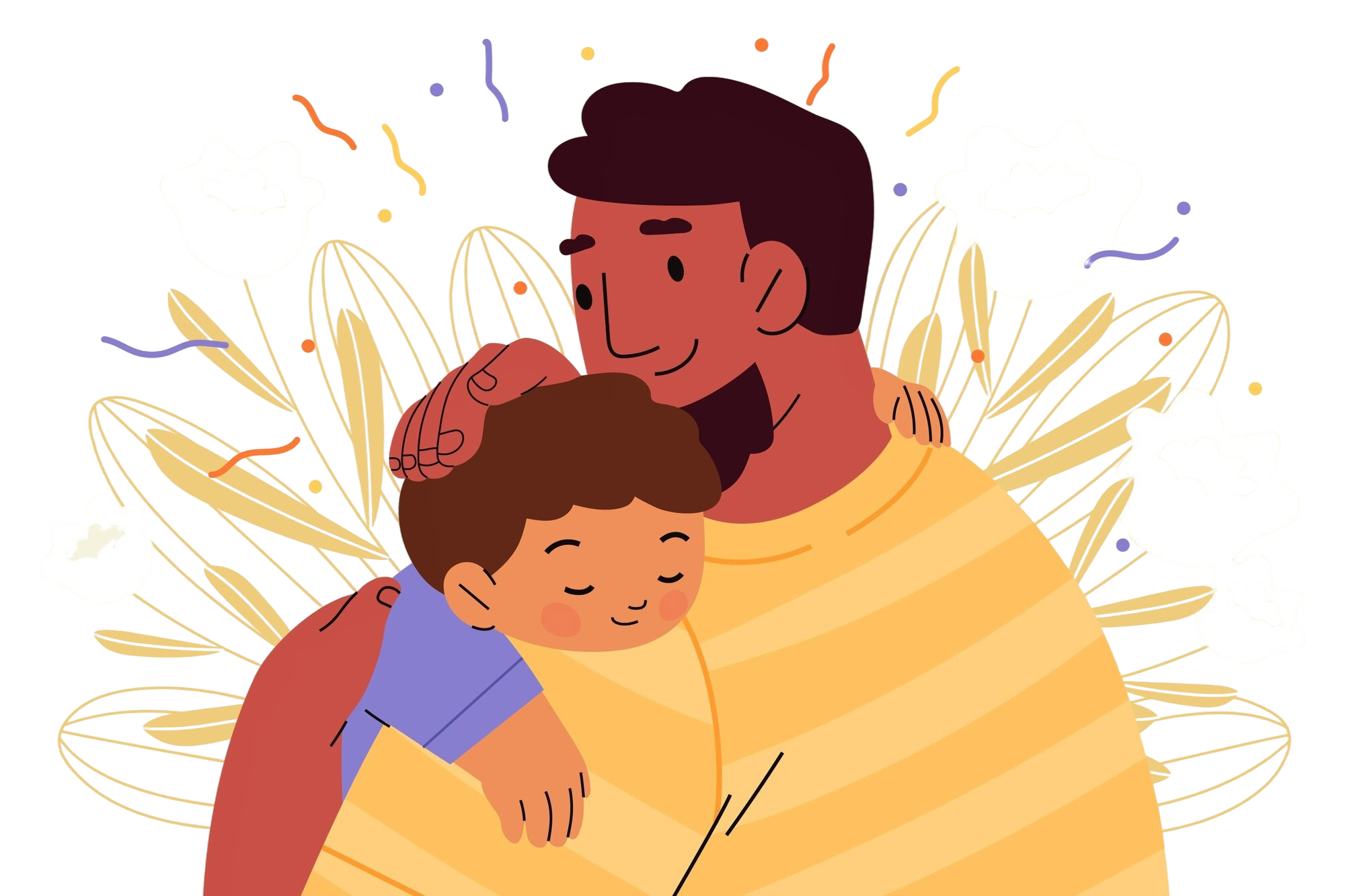
Parenting can be stressful. Parenting kids with special needs can be even more stressful, and it can cause anxiety, depression and marital problems. A mindfulness practice can help alleviate stress and prevent these problems. And it can make you a better parent.
Mindfulness is designed to help you notice your emotions and calm yourself down in stressful situations. It includes breathing exercises, guided meditations and taking a step back from difficult situations. These habits can give you the time and emotional space you need to solve problems at home…
Siblings
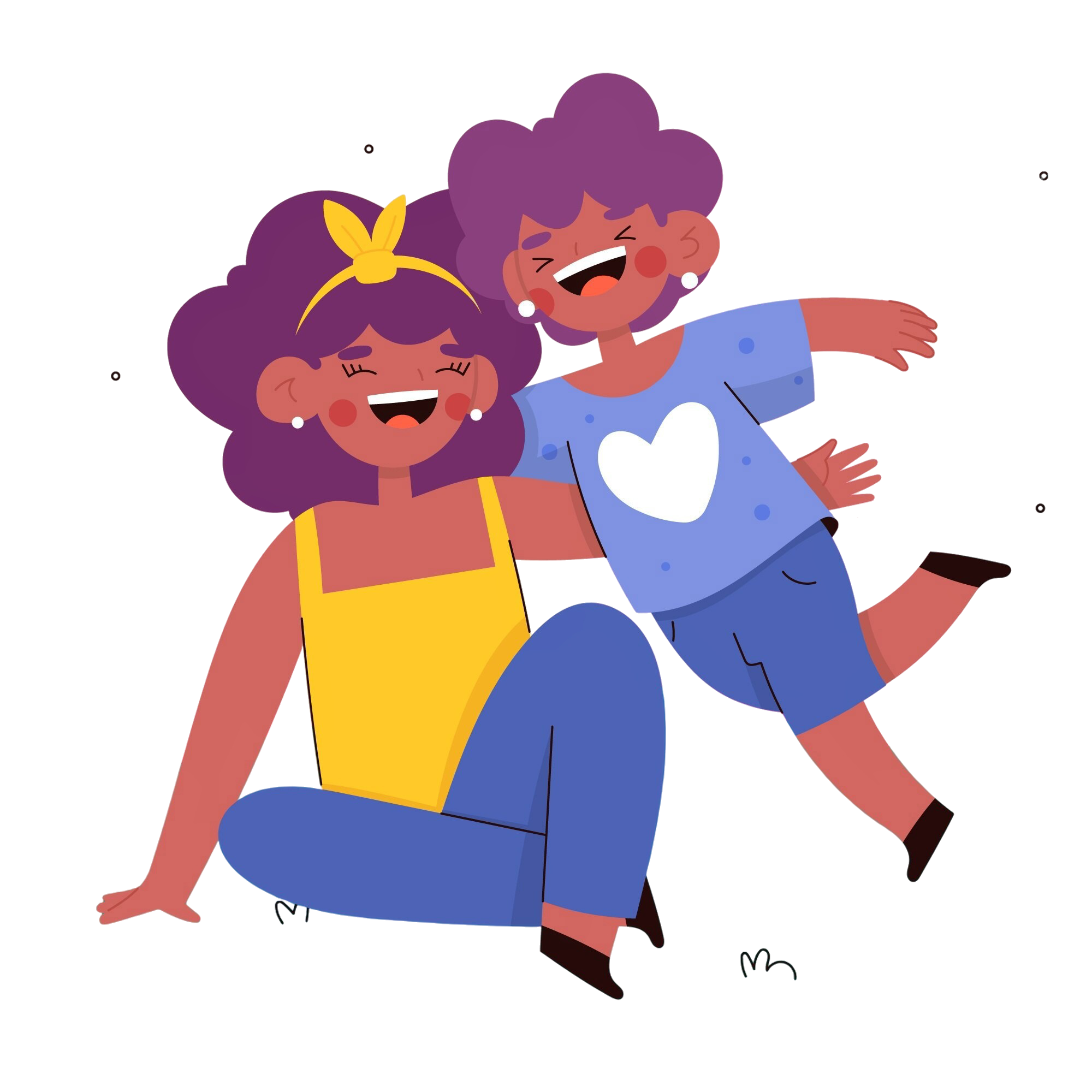
In families raising a child with disabilities, the emotional spotlight often falls on the child with special needs. Parents become full-time advocates, therapists, and caregivers. Meanwhile, neurotypical siblings usually operate in the background—emotionally aware, quietly adjusting, and frequently unacknowledged. This invisible grief—characterized by guilt, resentment, responsibility, and loyalty—can profoundly shape their development…
Facing a mental illness in a child can be one of the most challenging experiences of parenthood. Managing mood and behavioral symptoms and bearing a child’s suffering are compounded by navigating a healthcare system that treats psychiatric illness so differently than other serious illnesses that affect children and teens. What’s more, attempting this amid the stigma that still exists around psychiatric illness can leave parents feeling isolated in their struggle. On the other hand, unlike fixing a broken mental health system or diminishing stigma, addressing a child’s mental illness with his or her siblings is one challenge that parents are fully equipped to handle…
Jill Emanuele, PhD, a clinical psychologist, believes that more attention needs to be placed on how mental illness impacts the other children in a family. She points to the fact that when a child gets a physical illness like cancer, there are an abundance of support groups and therapeutic options for the siblings. With mental illness there are a lot less, despite the fact that psychiatric problems are far more common…
A lot has been written on sibling rivalry, particularly about name calling, arguing, provoking, physical fighting, and other forms of overt hostility.
Preventing or curtailing battles isn’t easy, and there are no simple or stock ways to intervene. But there are still things we can do as parents that really work. Before we look to some helpful tips, let’s step back and consider a few concepts to help guide our strategy…
Co-Regulation
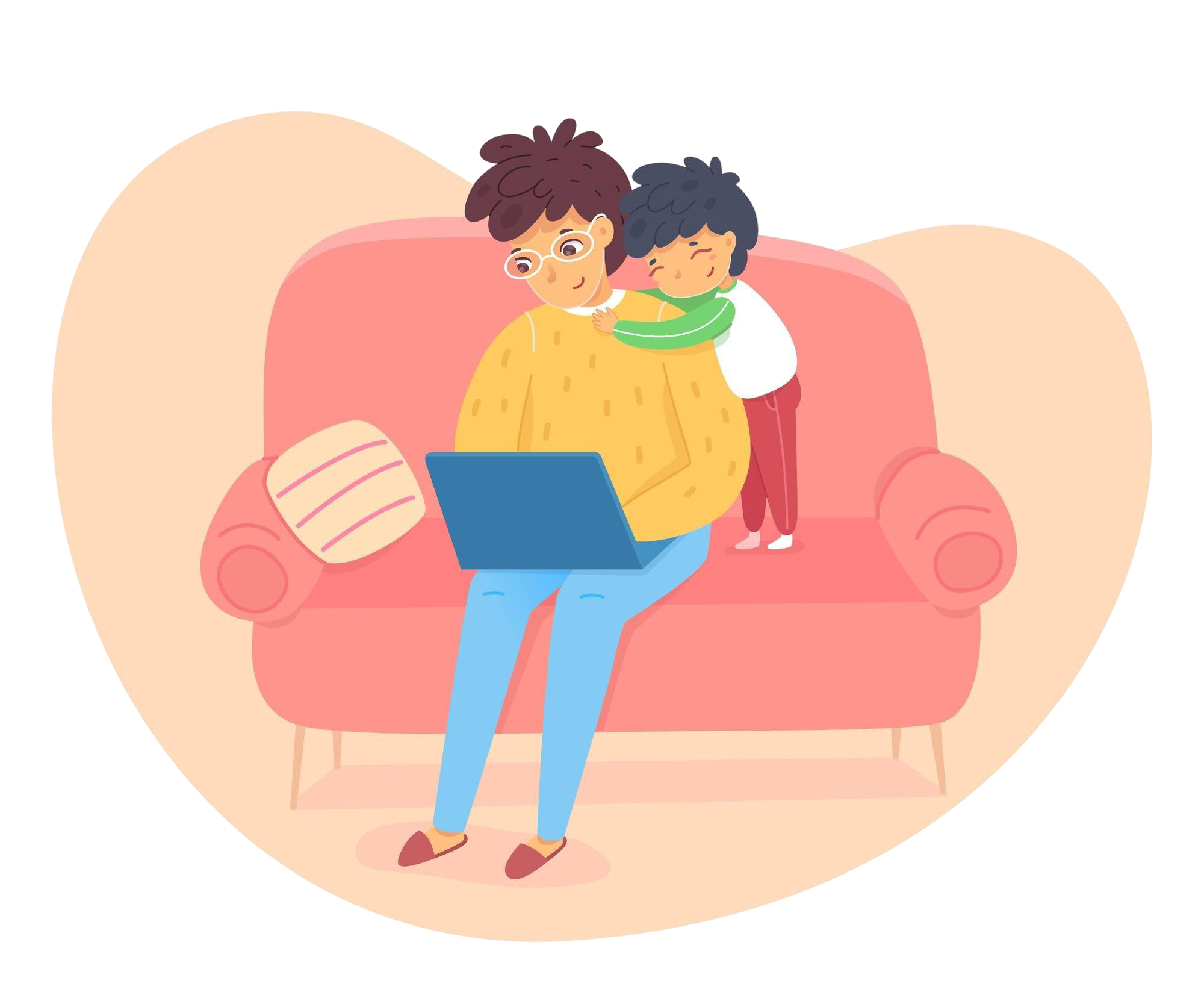
Have you ever watched your child meltdown over something small and felt your own frustration rise with theirs? It’s a natural reaction—big emotions can be overwhelming for both kids and parents. But here’s the good news: you don’t have to fix every problem or stop every tear. What your child needs most in those moments isn’t a solution—it’s you.
Co-regulation is the process of helping your child manage their emotions by offering them your calm, steady presence. Over time, this teaches them how to regulate their own feelings. Emotional regulation isn’t something children are born knowing how to do; it’s a skill they develop through connection and practice. In this post, we’ll explore why co-regulation is so important, the challenges parents often face, and simple, effective ways to support your child’s emotional development—without losing yourself in the process.
Play Therapy
Many parents worry that turning to play therapy might feel like an overreaction, especially if their child is not demonstrating major behavioral concerns. It is common for parents to wonder if seeking play therapy is “too much too soon,” especially when their concerns are just beginning to arise. There is also a misconception that play therapy is appropriate only when a child is in crisis or has experienced a traumatic event. Often, families believe that seeking play therapy services feels drastic when, in fact, it can be a gentle and proactive approach for early emotional support. As you consider whether play therapy is right for your child, these four insights may help.
As a therapist and a mom, I am often asked about play therapy. Although play therapy is commonly recognized among mental health practitioners, there is still a lack of public awareness about what play therapy truly entails. In fact, in a survey of 298 participants measuring the adult public’s perception of play therapy, 42% reported not knowing what play therapy was, and a little under 40% reported that they had heard of play therapy but were unsure what it was (Hindman et al., 2022). So, what do parents really need to know about play therapy?
Your child is struggling, and you receive a referral to play therapy. You start to make calls and quickly realize it's more overwhelming than expected. Play therapy itself can be hard to grasp, and to make things more confusing, every therapist seems to do it a little differently. Then you come across something called Child-Centered Play Therapy, and it raises questions. "If I let my child take the lead, how is that actually going to help them?"
Social Impairment
Understanding Childhood Social Difficulties
One of the basic wishes most parents share is that their children get along, play, and interact well with others. Most often, these social abilities develop intuitively. But for children who instead struggle getting along with their peers, the earlier interventions start, the earlier they can catch up. Since both ADHD andautism impact relationships, sorting out the ‘why’ behind social difficulties is often a first step towards figuring out how to best support this vital area of development…